‘We Are the Founders of the Next Iteration of Our Democracy’
A message from Sherrilyn Ifill on the occasion of We The People: Lessons from the Unsung Re-Founders of Our Nation.
Sherrilyn Ifill Oct 23, 2026
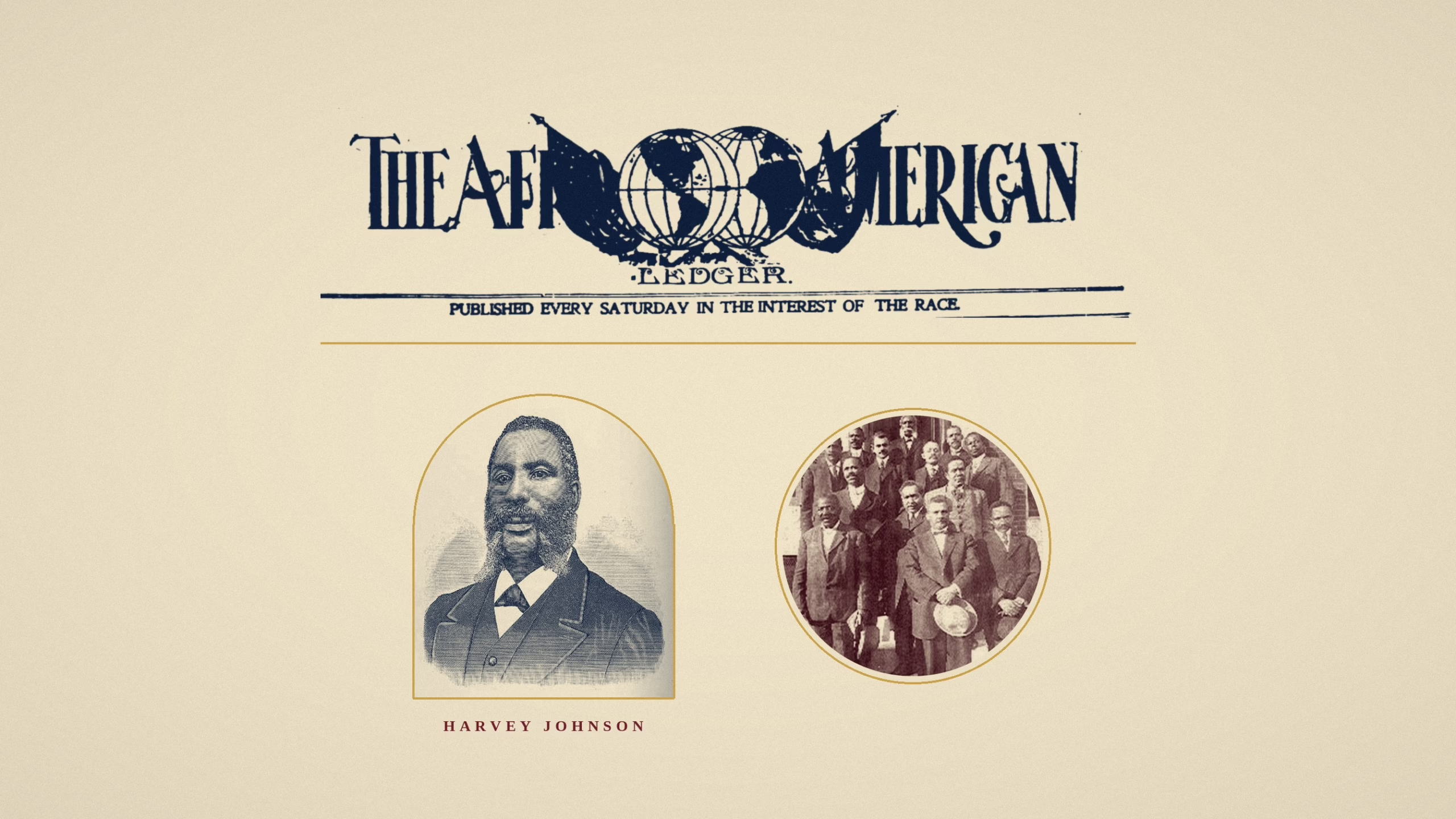
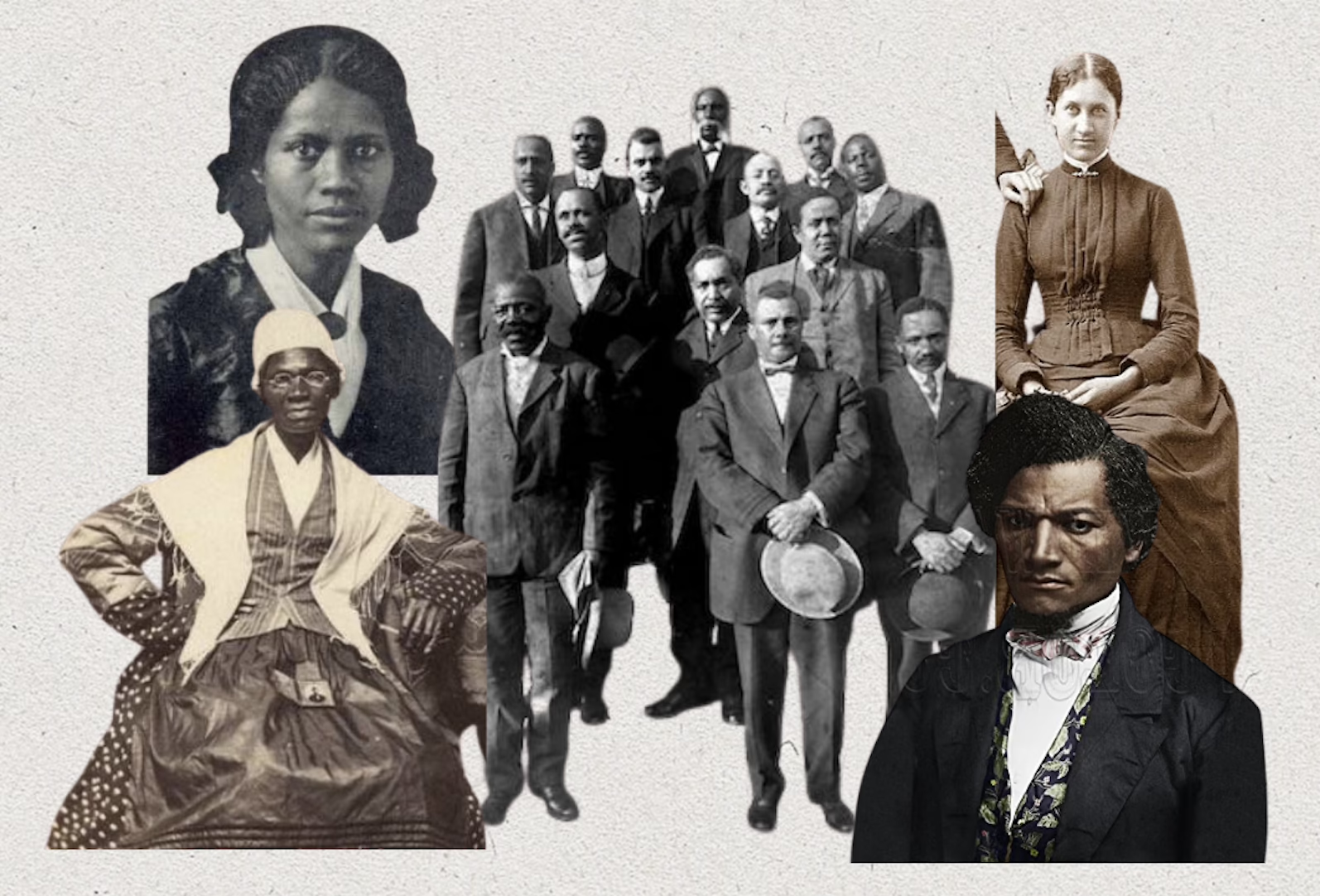
Illustration: 14th Amendment Center
Over the past decade I have heard many people express their frustration with the slow pace of progressive change in this country. I share their frustration. But some have also expressed their belief that the work many advocates have undertaken over the years — marching, the Black Lives Matter protests, litigation, even voting — were all undertaken in vain. Because we don’t see the results we wanted, they suggest that our efforts have all been for naught.
But my study of the most transformative movements in this country has taught me that change — real change — begins long before we see its results. In fact, actions undertaken over decades seed the ground from which true, transformative change blossoms.
When change finally happens, we often credit those whose actions were most proximate to the manifestation of that change. But I have learned that it is the seeds planted, watered, and nurtured along the way that yield the kind of change that transforms this country.
Those who founded the new America that was created after the Civil War — a nation re-founded on principles of freedom, equality and justice — were not only those members of Congress who drafted the 13th, 14th, and 15th Amendments to the Constitution, which abolished slavery and introduced the guarantees of birthright citizenship and equal protection of laws into our national charter. The ideas, values, and concepts that shaped those amendments were planted, developed, and workshopped over decades — by enslaved Black people determined to be free, as well as abolitionists, suffragists, writers, artists, faith leaders, and many others in the decades before the Civil War. And after the Civil War and Reconstruction, the meaning of those amendments was refined and expanded by the efforts of ordinary community activists, public intellectuals, and lawyers.
The 14th Amendment did not begin to fulfill its true promise until the second half of the 20th Century, after a band of Black lawyers led by Charles Hamilton Houston and Thurgood Marshall developed the theories, strategy, and determination to overcome the Supreme Court’s distorted interpretation of what equal protection of the laws required. They successfully overcame the court’s shameful decision in Plessy v. Ferguson, which had upheld Jim Crow state-mandated segregation in 1896.
Collectively, all of these people are founders of the America that was created after the Civil War.
Today I am delighted that the 14th Amendment Center for Law and Democracy and the Gibson–Banks Center for Race and the Law at Maryland Carey Law will co-host a convening to explore the contributions of some of the unsung “re-founders” of our post-Civil War republic.
We have assembled an impressive array of scholars, litigators, organizers, and visionaries to guide us through our discussions today. We are honored to have the Hon. Judge Roger Gregory from the U.S. Court of Appeals for the Fourth Circuit as our luncheon keynote speaker.
It is my sincere hope that our discussions today will remind us that none of the work we do to move this country towards greater justice and equality — whether we are activists, writers, civil rights lawyers, journalists, or organizers — is wasted. We are the founders of the next iteration of democracy in this country. We walk and work in the tradition of David Walker, Bishop Henry McNeil Turner, Won Kim Ark, Baltimore’s Mutual United Brotherhood of Liberty, the Afro-American newspaper, suffragists, Frances Ellen Watkins Harper, and so many others.
If you are unable to join our convening in person or by livestream, look for videos from today’s gathering that we will post on our website and on social media in the coming days.