

Plessy v. Ferguson (1896)
In Plessy v. Ferguson, the Supreme Court ruled that separate-but-equal facilities did not violate the 14th Amendment's guarantee of equal protection of the laws.
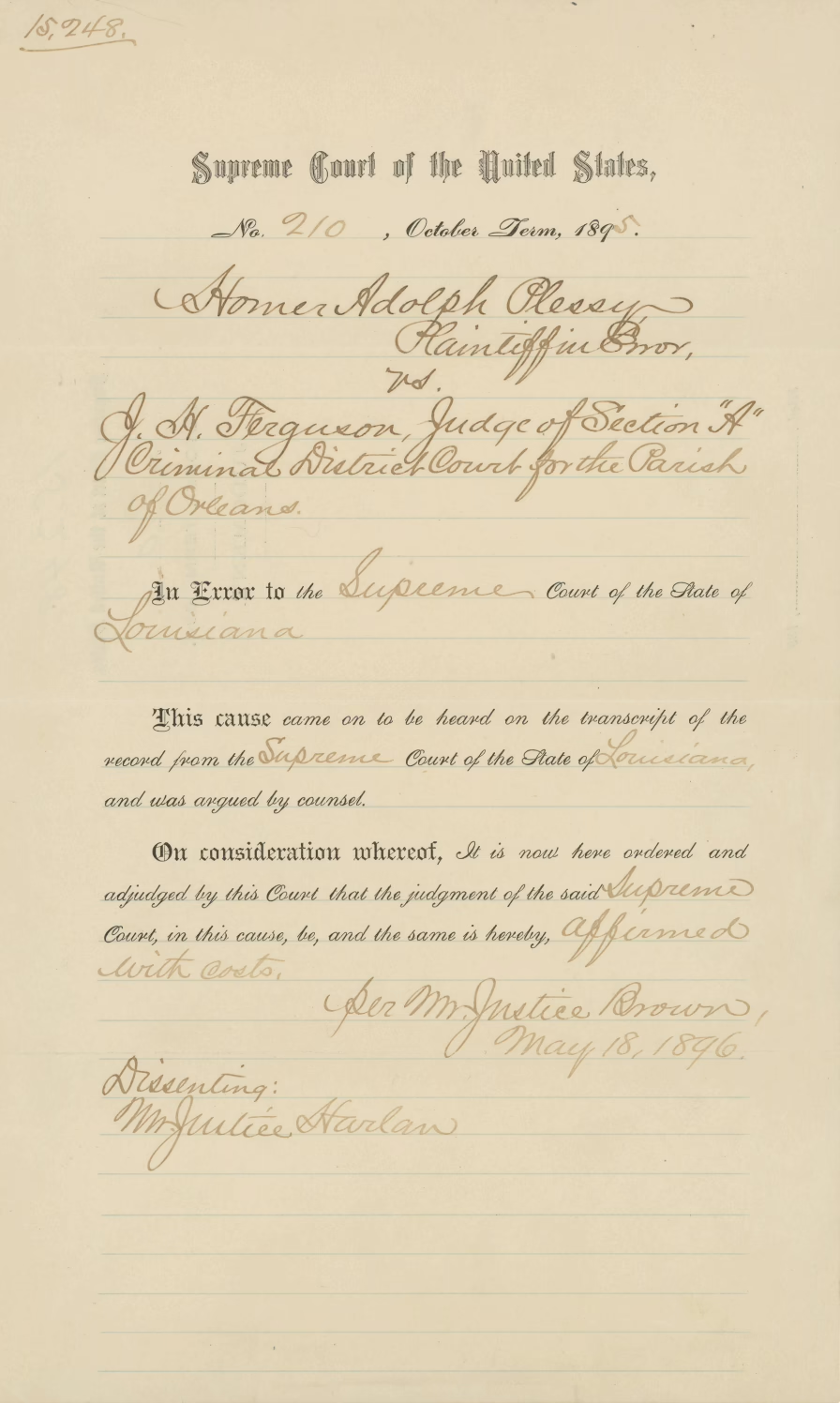
The judgment in Plessy v. Ferguson. National Archives.
Source text: Library of Congress
On May 18, 1896, the U.S. Supreme Court ruled in Plessy v. Ferguson that separate-but-equal facilities were constitutional. The Plessy v. Ferguson decision upheld the principle of racial segregation over the next half-century. The ruling provided legal justification for segregation on trains and buses, and in public facilities such as hotels, theaters, and schools. The impact of Plessy was to relegate African Americans to second-class citizenship. The Supreme Court overruled the Plessy decision in Brown v. the Board of Education on May 17, 1954.